Does Alberta Home Insurance Cover Flood and Fire Damage?
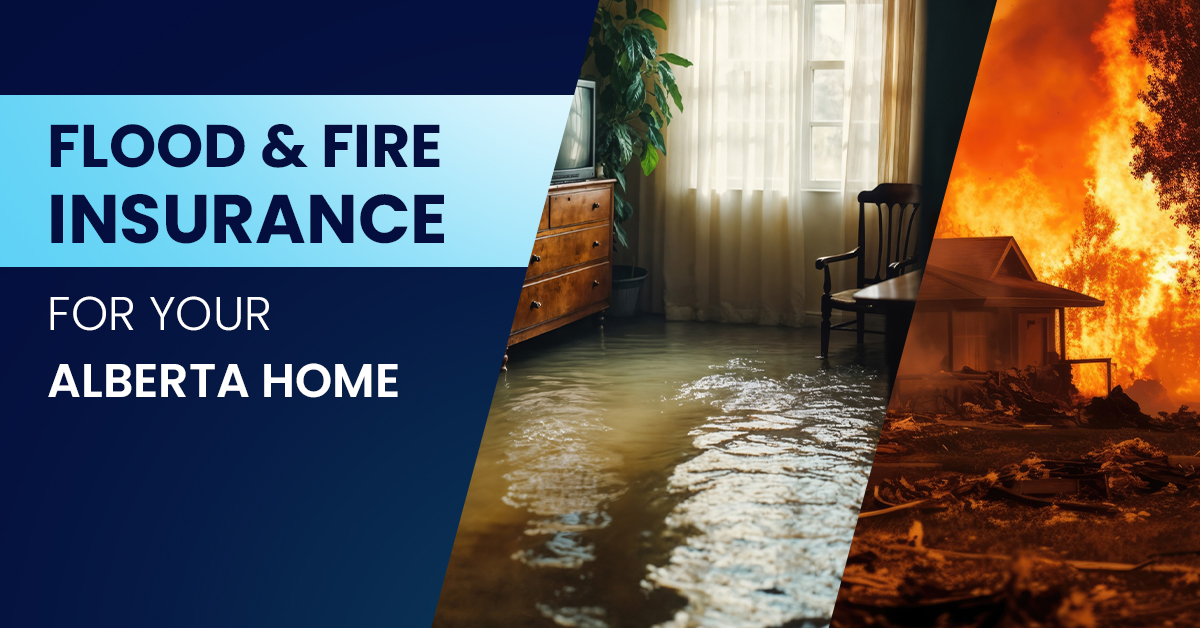
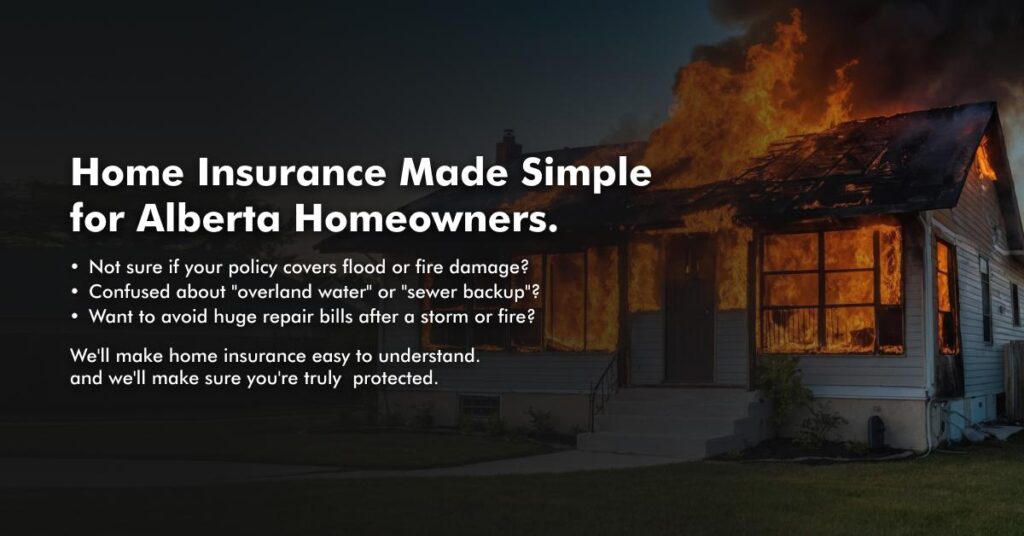
Standard home insurance in Alberta typically covers fire and wildfire damage, but flood-related water damage is different. Alberta home insurance flood coverage usually means optional overland water and sewer backup endorsements, not automatic protection. Overland water covers rain, snowmelt, and surface flooding; sewer backup covers water entering through drains. Edmonton and Sherwood Park homeowners should confirm which endorsements their policy actually includes.
Does standard Alberta home insurance cover flooding?
Not automatically. Standard policies typically cover sudden events like a burst pipe, but overland flooding usually requires an optional endorsement — often called Alberta home insurance flood coverage.
Does Alberta home insurance cover wildfire damage?
Fire and wildfire damage is typically included in standard home insurance, unlike flood-related water damage. Coverage usually extends to the structure and contents, though limits vary.
What is overland water coverage?
An optional endorsement protecting against water entering a home from rainfall, snowmelt, or overflowing rivers and lakes — a core part of Alberta home insurance flood coverage.
Does home insurance cover sewer backup?
Only if the policy includes sewer backup as an add-on. This protects against water backing up through drains or sump pumps, different from water entering above ground.
How much does flood-related coverage cost in Alberta?
Cost depends on location, flood exposure, and claims history, so there’s no single reliable number. Request an individualized quote rather than relying on a general estimate.
How can Edmonton and Sherwood Park homeowners reduce water damage risks?
Maintaining grading, extending downspouts away from the foundation, and installing a backwater valve reduce risk, though they don’t replace proper endorsements.
Key Takeaways
- Standard home insurance and Alberta home insurance flood coverage aren’t the same thing — flood protection is typically an add-on.
- Fire and wildfire coverage is usually included in a standard policy, unlike most water-related flooding.
- Overland water and sewer backup address different water sources and are often sold as separate endorsements.
- Edmonton and Sherwood Park homeowners face similar risks from heavy rain, snowmelt, and aging drainage.
- Basement finish level, home age, and prior claims can affect eligibility and pricing.
- Reviewing coverage limits matters more than assuming a policy is comprehensive.
Does Standard Alberta Home Insurance Cover Flood Damage?
Generally, no — not without an endorsement. Standard home insurance typically covers water damage from sudden, internal events like a burst pipe, but water entering from outside, whether from heavy rain, snowmelt, or a nearby river, usually falls outside standard coverage. That’s why Alberta home insurance flood coverage is generally sold as an optional addition rather than built into every policy.
Because policy wording varies by insurer, homeowners shouldn’t assume their coverage matches a neighbour’s. The safest approach is confirming directly with an insurer or broker which water-related endorsements are actually included.
Does Alberta Home Insurance Cover Fire and Wildfire Damage?
Yes, typically. Fire and wildfire damage are usually covered under standard home insurance, including the structure, often detached buildings like garages, and personal belongings, subject to policy limits. Many policies also include additional living expenses if a home becomes unlivable after a fire.
Coverage isn’t necessarily identical across insurers. Limits, deductibles, and exclusions can vary, and Alberta’s wildfire exposure has grown enough that some insurers apply specific conditions in higher-risk areas. Homeowners should review these details with their insurer rather than assume every policy responds the same way.
What Is Overland Water Coverage and What Does It Protect?
Overland water coverage protects against water entering a home from outside — rainfall, snowmelt, or overflow from a river, lake, or pond. It typically covers water entering at ground level or seeping through windows, doors, or foundation cracks. This is the piece most people mean by Alberta home insurance flood coverage, since it addresses the water sources most associated with flooding.
Does It Cover River or Surface Water?
Yes — surface water and river or lake overflow are typically what overland water coverage is designed to address, subject to policy wording and any exclusions for high-risk zones.
Does Home Insurance Cover Sewer Backup?
Only with the right endorsement. Sewer backup coverage addresses water or sewage that backs up through drains, toilets, sump pumps, or sewer connections rather than water entering from above ground. It’s typically sold separately from overland water coverage as part of a broader Alberta home insurance flood coverage package, and a homeowner can have one without the other.
Alberta Home Insurance Flood Coverage: What’s Usually Included vs. What Needs an Endorsement
| Risk | Standard Home Insurance | Additional Coverage May Be Needed |
| Fire / Wildfire | Typically included | Some high-risk areas may see added conditions |
| Wind and hail | Typically included | Limits vary by insurer |
| Burst pipe | Typically included | Rarely needs a separate endorsement |
| Overland water | Not automatically included | Often requires an optional endorsement |
| Sewer backup | Not automatically included | Often requires a separate endorsement |
| Groundwater | Coverage varies | May require specific policy wording
|
Overland Water vs. Sewer Backup: What’s the Difference?
| Feature | Overland Water | Sewer Backup |
| Source of water | Rain, snowmelt, rivers, lakes | Drains, toilets, sump pumps, sewer lines |
| Where it enters | Above ground, through doors/windows/cracks | Through plumbing fixtures and drains |
| Common scenario | Heavy rainfall floods a yard and basement | Municipal sewer overwhelmed after a storm |
| Typical prevention | Grading, window well covers | Backwater valves, sump pump maintenance |
Both are usually optional add-ons — having one doesn’t guarantee the other, so confirm both separately when reviewing Alberta home insurance flood coverage options.
What Flood and Fire Risks Should Edmonton Homeowners Consider?
Edmonton’s heavy summer rainfall and spring snowmelt put pressure on aging drainage infrastructure in older neighbourhoods, which can raise sewer backup risk during intense storms. Basements, especially finished ones, carry more exposure since water damage there is costlier to repair. Wildfire smoke has also become a more frequent seasonal concern, though direct wildfire damage to homes is less common in the city than in more rural parts of the province.
What Flood and Fire Risks Should Sherwood Park Homeowners Consider?
Sherwood Park sees similar rainfall and snowmelt patterns to Edmonton, with drainage and grading playing a large role in whether water pools near a foundation. Home age and lot grading vary between older and newer developments, affecting both sewer backup and overland water exposure. As with Edmonton, actual pricing and eligibility depend on the specific property, not just the general area.
Example 1 — Edmonton Basement After Heavy Rain
A hypothetical Edmonton home has surface runoff from heavy rain pool around the foundation and seep into the basement. If the policy includes overland water coverage, this kind of damage may be addressed; without it, the homeowner could be responsible for repairs. Illustrative only.
Example 2 — Sherwood Park Sewer Backup
A hypothetical Sherwood Park home has water back up through a basement floor drain after the municipal sewer system is overwhelmed by storm runoff. This falls under sewer backup coverage, not overland water — part of why Alberta home insurance flood coverage requires understanding both terms. Illustrative only.
Example 3 — Alberta Wildfire Damage
A hypothetical rural Alberta property sustains fire damage after a nearby wildfire spreads toward the home. This would typically fall under standard fire coverage rather than any water-related endorsement, showing why fire and flood protection need separate evaluation. Illustrative only.
How Can Alberta Homeowners Decide What Water and Fire Coverage They Need?
A few questions help narrow this down:
- Is the home in a low-lying area, near a river, or downhill from higher ground?
- Does it have a finished basement with valuable belongings inside?
- Has the home or area had prior water claims?
- Is there a backwater valve or sump pump already installed?
- Does the replacement cost limit reflect the home’s actual value?
- What deductible is comfortable if a claim happens?
Not every homeowner needs every endorsement — someone on high ground with no basement carries different risk than someone near a river. The right Alberta home insurance flood coverage combination depends on the property and how much risk the homeowner wants to carry personally.
How Much Does Alberta Home Insurance Flood Coverage Cost?
There’s no reliable single price, since premiums depend on location, flood exposure, basement finish, claims history, and the coverage limit and deductible selected. A home on a hill with no basement and a home near a floodplain will see very different pricing for the same Alberta home insurance flood coverage endorsement. Homeowners should request a quote based on their specific property rather than rely on a general number.
How Can Alberta Homeowners Reduce Flood and Water Damage Risks?
- Keep eavestroughs clear and extend downspouts away from the foundation
- Maintain proper grading so water flows away from the home
- Inspect and maintain sump pumps regularly
- Consider a backwater valve where sewer backup is a concern
- Check basements periodically for early signs of moisture
These steps reduce risk, though they don’t guarantee a lower premium — any discount depends on the insurer.
How Can You Manage Alberta Home Insurance Costs Without Sacrificing Protection?
Comparing quotes across insurers, reviewing coverage every year, and bundling home and auto policies where it makes sense can help manage cost. Choosing an affordable deductible matters more than chasing the lowest premium on Alberta home insurance flood coverage, since a low deductible with a coverage gap can cost more after a claim.
What Home Insurance Mistakes Should Alberta Homeowners Avoid?
- Assuming standard home insurance covers all types of water damage
- Confusing overland water coverage with sewer backup coverage
- Assuming every policy has identical wildfire coverage
- Choosing coverage based on premium alone
- Not reviewing coverage limits after renovations
- Underestimating the home’s replacement cost
- Waiting until a flood risk is obvious to review coverage
Frequently Asked Questions About Alberta Home Insurance Flood Coverage
1. Does Alberta home insurance cover flooding?
Not automatically. Standard policies generally exclude overland flooding, so Alberta home insurance flood coverage is typically added through an optional endorsement.
2. Does Alberta home insurance cover wildfire damage?
Typically, yes. Fire and wildfire damage are usually part of standard coverage, unlike flood-related water damage, though limits vary by insurer.
3. What is overland water coverage?
An optional endorsement covering water entering a home from rainfall, snowmelt, or nearby rivers and lakes — a central part of Alberta home insurance flood coverage.
4. Does home insurance cover sewer backup?
Only with a separate sewer backup endorsement, covering water backing up through drains or plumbing rather than water entering from above ground.
5. Is overland water coverage available in Edmonton?
Generally, yes, though availability and pricing depend on the property’s specific flood risk. Higher-risk areas may see more limited options.
6. Does sewer backup coverage protect a finished basement?
It can, if the endorsement is included and damage falls within its terms. Finished basements carry higher repair costs, so confirming limits matters.
7. How much does flood-related coverage cost in Alberta?
There’s no single reliable figure for Alberta home insurance flood coverage, since cost depends on location and claims history. An individualized quote is the most accurate way to find out.
8. What factors affect flood coverage eligibility and pricing?
Location, elevation, proximity to water, basement configuration, claims history, and the coverage limit and deductible chosen all play a role.
9. How can Alberta homeowners reduce water damage risk?
Maintaining grading and eavestroughs, extending downspouts, and installing a backwater valve and sump pump reduce exposure, though they don’t replace proper coverage.
10. Should I review my home insurance coverage every year?
Yes. Reviewing annually, and after renovations, helps confirm that limits and endorsements — including Alberta home insurance flood coverage — still match the property’s actual risk.
Review Your Alberta Home Insurance Flood Coverage
Understanding the difference between standard coverage, overland water, and sewer backup is the first step toward knowing whether your policy actually protects against the risks your home faces. Reliant Insurance can help Edmonton and Sherwood Park homeowners review their current coverage and discuss suitable options for their property.
Call 1-833-463-2115 or visit ReliantInsurance.ca to talk through your Alberta home insurance flood coverage options.
About the Author
Steven
President & CEO | Reliant Insurance Group & Farnese Insurance Brokers
Steven is the President and CEO of Reliant Insurance Group and Farnese Insurance Brokers, bringing more than 13 years of experience across the Canadian insurance and real estate industries.
He holds a Bachelor of Commerce in Entrepreneurship from the University of Alberta and has built his career on making auto insurance more accessible, affordable, and easy to understand for everyday drivers.
Steven leads a team of licensed brokers who help Alberta homeowners understand what their policy actually covers, from overland water and sewer backup to fire and wildfire protection, so homeowners in Edmonton, Sherwood Park, and beyond can close coverage gaps before a flood or fire ever tests their policy.
Comments are closed.