Third-Party vs Comprehensive Insurance: Which One Do You Need?
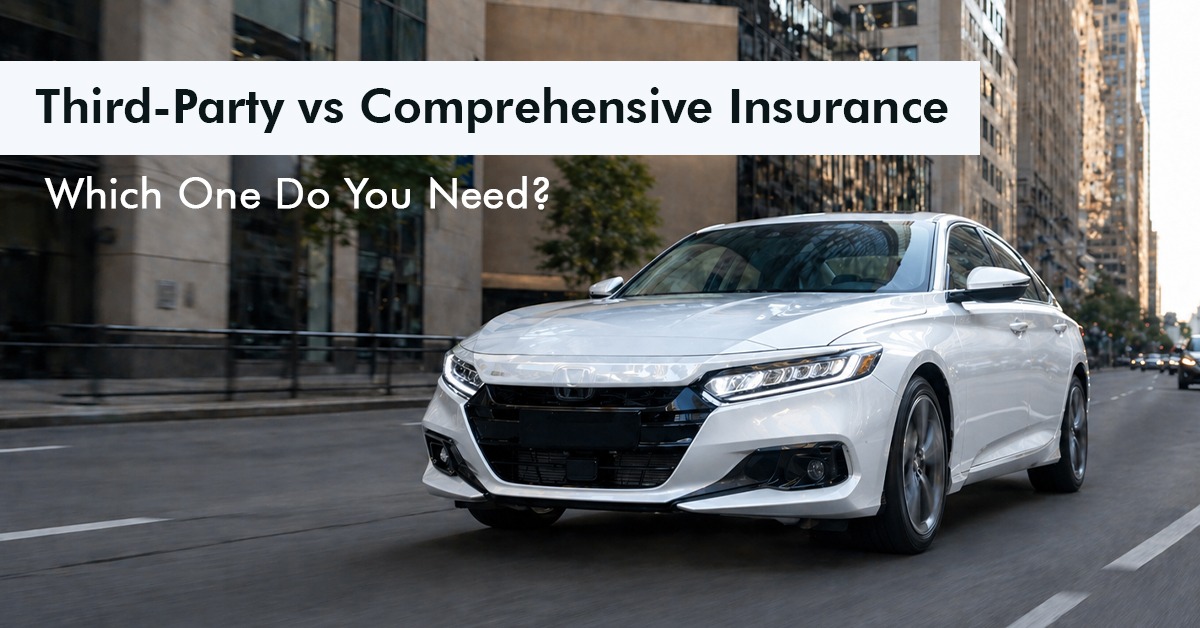
One Wrong Choice Can Cost You Thousands — Here Is How to Get It Right: Third-Party vs Comprehensive Insurance
Understanding Third-Party vs Comprehensive Insurance is essential for every driver in Canada.
Choosing car insurance feels confusing at first. But it does not have to be.
Most Canadian drivers pick between two options. Third-party insurance and comprehensive insurance.
Get it right and you are fully covered. Get it wrong and one bad day could cost you thousands.
Understanding the differences between Third-Party vs Comprehensive Insurance can save you money and provide peace of mind.
When considering Third-Party vs Comprehensive Insurance, it’s crucial to analyze your specific needs.
At Reliant Insurance, we help drivers across Canada make this call every day. Here is what you need to know.
What Is Third-Party Insurance?
Third-party insurance is the legal minimum to drive in Canada. Every province requires it.
It pays for damage you cause to other people. That means their car, their property, and their injuries.
But here is the catch. It does not cover your own vehicle at all.
- If someone steals your car, you get nothing.
- If a storm hits it, you pay the bill.
- If you cause a crash, your own repairs come out of your pocket.
Third-party keeps you legal. But it leaves big gaps in your cover.
What Is Comprehensive Insurance?
Choosing between Third-Party vs Comprehensive Insurance can significantly impact your financial security.
Comprehensive insurance covers a lot more. It includes third-party cover — plus protection for your own car.
It pays when your car is:
- Stolen
- Hit by fire, flooding, hail, or vandalism
- Damaged in a crash — even one you caused
- Struck by an animal on the road
You can add extras too. Roadside help and zero wear cover are popular choices.
The key difference is simple. Third-party protects other people. Comprehensive protects you as well.
Ultimately, the choice of Third-Party vs Comprehensive Insurance should align with your risk tolerance.
Third-Party vs Comprehensive Insurance: Quick Comparison
| Feature | Third-Party | Comprehensive |
| Covers other car damage | Yes | Yes |
| Covers your own car | No | Yes |
| Covers theft | No | Yes |
| Covers storms and floods | No | Yes |
| Covers fire and vandalism | No | Yes |
| Add-on options | Few | Many |
| Monthly cost | Lower | Higher |
| Best for | Old, low-value cars | New or financed cars |
| Required by law in Canada | Yes | No |
Which One Do You Need? Ask Yourself These 5 Questions
- How old is your car?
If your car is old and not worth much, full cover may cost more than the car itself. In that case, third-party is a fair choice.
- Could you replace your car if it was written off?
If paying out of pocket would hurt you, comprehensive insurance is the smarter move.
- Where do you live?
Cities like Toronto, Calgary, and Ottawa have high theft rates and harsh weather. Between 2022 and 2025, the average auto premium in Toronto climbed from $3,453 to $3,997 — mostly because of theft and storm claims.
If you live in one of these cities, comprehensive cover makes a lot more sense.
- Is your car on a loan or lease?
Most lenders in Canada require comprehensive insurance. You may not have a choice here.
- Could a big repair bill hurt your finances?
One accident can cost anywhere from $5,000 to $20,000. If that would put real strain on you, comprehensive cover is worth every dollar.

Why This Matters More Than Ever in Canada
In 2024, weather claims in Canada hit a new record. The total topped $8.6 billion, according to Statistics Canada (April 2025):
Floods, hailstorms, and wildfires hit cars in every province that year.
Auto theft made things worse. Insurers paid out over $1.5 billion in theft claims in 2023 alone.
If your car is stolen or wrecked by a storm and you only have third-party cover, you get nothing back. You buy a new car with your own money, at today’s prices.
That is a risk many Canadians no longer want to take.
Is Comprehensive Insurance Always More Expensive?
A lot of people think comprehensive costs much more. That is not always true.
Drivers with clean records often find the price gap is smaller than they expect. People who pick third-party tend to make more claims. Insurers factor that in when they set prices.
The only way to know your real cost is to compare quotes.
At Reliant Insurance, we do that work for you. We check rates from multiple top Canadian insurers and find the best deal for your case.
Why Canadian Drivers Choose Reliant Insurance
We do not sell one-size-fits-all policies.
We take time to learn about your car, your city, your budget, and your risk level. Then we find a plan that fits.
- Access to top Canadian insurers
- Honest advice with no sales pressure
- Fast and easy online quotes
- Serving drivers right across Canada
- Clear pricing with no hidden fees
Get your free quote from Reliant Insurance today: https://reliantinsurance.ca/
Frequently Asked Questions
1. What is the main difference between third-party and comprehensive insurance?
Third-party pays for damage you cause to others. Comprehensive pays for that plus your own car. The big gap is own-damage cover, theft, and weather protection. When weighing third-party vs comprehensive insurance, those gaps matter a lot.
When making the decision between Third-Party vs Comprehensive Insurance, consider all factors involved.
2. Is comprehensive insurance required in Canada?
No. Only third-party cover is required by law across Canada. But if your car is on a loan, your lender will likely require full cover. Given rising theft and harsh weather, it is also the smart choice for most drivers.
Keep in mind the advantages of Third-Party vs Comprehensive Insurance before finalizing your policy.
3. Is comprehensive insurance much more expensive?
Not always. The price gap depends on your car, your record, and where you live. Drivers with clean records often find rates that are close to third-party prices. Get a quick quote from Reliant Insurance to see the real numbers for your case.
Many Canadians are reconsidering the Third-Party vs Comprehensive Insurance debate as their insurance needs evolve.
4. Should I pick third-party for an old car?
If your car has a low value and you can pay for repairs yourself, third-party may work fine. But if it is your only car and losing it would hurt you, even a basic comprehensive plan adds real value.
Evaluate the risks associated with Third-Party vs Comprehensive Insurance before making a decision.
5. Can I switch from third-party to comprehensive insurance?
Yes. You can usually upgrade before your renewal date. It takes a quick vehicle check and a change in your premium. Talk to a broker at Reliant Insurance and we will walk you through it with no stress.
The Bottom Line: Third-Party vs Comprehensive Insurance
Ultimately, the Third-Party vs Comprehensive Insurance choice can protect you in ways you might not expect.
The choice between third-party and comprehensive insurance comes down to one key question.
Reflect on the Third-Party vs Comprehensive Insurance options available to ensure you’re adequately covered.
How much risk are you willing to carry yourself?
Choose third-party if your car is old and low in value, you can pay for repairs on your own, or you just want to meet the legal minimum at a low cost.
Deciding on Third-Party vs Comprehensive Insurance can ultimately save you money in the long run.
Choose comprehensive if your car is new or on a loan, you live in a high-risk city, or a big repair bill would cause you real hardship.
For most Canadian drivers today, comprehensive cover is the better choice. Weather is getting worse. Car theft is rising. Vehicle prices have never been higher.
Make sure to fully understand Third-Party vs Comprehensive Insurance to choose wisely.
Do not wait for an accident to find out your cover was not enough.
Get the necessary information on Third-Party vs Comprehensive Insurance and find the right plan today: https://reliantinsurance.ca/
For thorough protection, Third-Party vs Comprehensive Insurance is often recommended.
Reliant Insurance — Trusted Canadian Insurance Brokers. Helping drivers across Canada protect what matters most.
Get expert advice on Third-Party vs Comprehensive Insurance from our knowledgeable brokers.
About the Author
Steven
President & CEO | Reliant Insurance Group & Farnese Insurance Brokers
Steven is the President and CEO of Reliant Insurance Group and Farnese Insurance Brokers, bringing more than 13 years of experience across the Canadian insurance and real estate industries.
He holds a Bachelor of Commerce in Entrepreneurship from the University of Alberta and has built his career on making auto insurance more accessible, affordable, and easy to understand for everyday drivers.
Steven leads a team of licensed brokers who compare coverage from top Canadian insurers, helping drivers across Western Canada make confident, well-informed decisions — from choosing between third-party and comprehensive protection to finding the right policy for a financed or leased vehicle.
Comments are closed.