How Does Cold Weather Impact Insurance Premiums in Alberta?
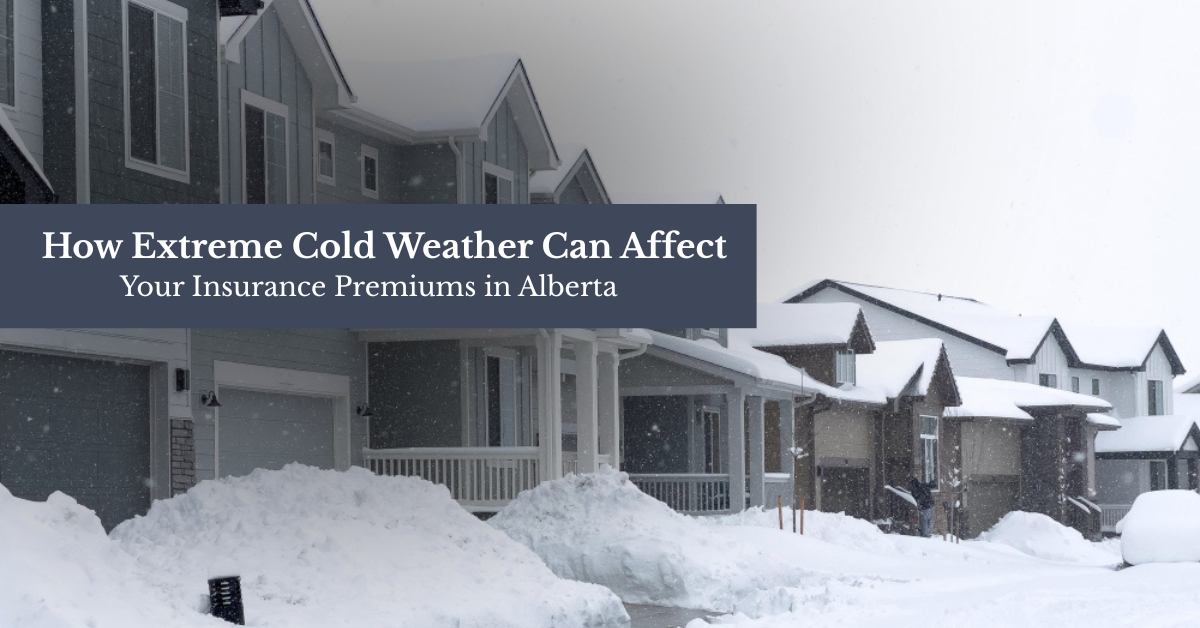
AI Summary: Extreme cold raises insurance risk by increasing frozen-pipe claims, icy-road collisions, and severe weather losses across Alberta. Insurers price policies partly on claims experience, so a rise in winter claims can push provincial averages up over time. Homeowners and drivers can reduce their own risk through winterization, winter tires, and regular policy reviews, though results vary by policy and insurer.
Does cold weather increase insurance premiums in Alberta?
cold weather impact on insurance premiums works indirectly. Winter claims raise overall claims costs, which insurers factor into regional pricing, pushing average premiums higher over time.
Why can winter weather affect home insurance costs?
Cold weather impact on insurance premiums often starts with frozen pipes, ice damming, and roof stress that lead to costly water damage claims. A rise in these claims across Alberta can influence home coverage pricing.
Can frozen pipes affect my home insurance claim?
Yes, sudden and accidental frozen-pipe damage is often covered, but gradual leaks or neglected maintenance are common exclusions. Check your policy wording to confirm.
Does winter driving affect Alberta auto insurance rates?
Winter driving itself doesn’t set your rate, but at-fault collisions on icy roads can. This is one way cold weather impact on insurance premiums shows up in auto coverage specifically, through claims history at renewal.
How can I lower winter-related insurance risks?
Winterize your home, install winter tires, maintain a clean driving record, and review your coverage annually. These steps reduce claim risk, which differs from guaranteeing a discount.
Does winterizing my home reduce insurance costs?
Winterizing reduces the chance of a costly claim, protecting your claims history over time. Whether it qualifies for a specific discount depends on your insurer, so ask your broker.
Key Takeaways
- cold weather impact on insurance premiums is indirect — it works through claims frequency, not a direct temperature charge.
- Frozen pipes are among Alberta’s most common and costly winter home insurance claims.
- Freeze-thaw cycles in Edmonton, Sherwood Park, and Calgary stress aging plumbing and roofing.
- Icy roads increase collision risk, and a winter accident can affect your claims history at renewal.
- Winter tires improve traction, even though they aren’t legally required in Alberta.
- Reviewing your policy annually before winter helps you catch coverage gaps early.
Introduction
Alberta winters bring more than cold commutes and early darkness — they bring frozen pipes, icy highways, and sudden temperature swings that insurers watch closely.
cold weather impact on insurance premiums isn’t a mystery charge on your renewal. It’s the downstream result of claims: when a season produces more burst pipes or icy-road collisions than usual, insurers adjust pricing to reflect that added risk.
This guide covers how that works for home and auto coverage, what drives winter claims across Alberta, and what homeowners and drivers can realistically do about it.
Why Can Alberta Winters Increase Home Insurance Claims?
Home insurance is where cold weather impact on insurance premiums often shows up first, since winter produces some of the year’s costliest claims.
How Do Frozen Pipes Affect Home Insurance?
When temperatures drop well below freezing, exposed or poorly insulated pipes can freeze and burst, releasing water into walls, floors, and basements. This kind of sudden, accidental damage is often covered, though gradual leaks from neglected maintenance typically aren’t. Older homes in Edmonton and Sherwood Park are particularly exposed, since aging plumbing wasn’t built for today’s extremes.
Can Snow and Ice Cause Roof or Property Damage?
Heavy snow load and ice damming can stress roofs and gutters, sometimes leading to leaks. Calgary’s frequent freeze-thaw cycles, driven by chinooks, create repeated expansion and contraction that can loosen shingles over a season.
Does Winter Weather Increase Water Damage Claims?
Yes, and this is a clear example of cold weather impact on insurance premiums in action. Water damage claims tend to rise after severe cold snaps, largely from burst pipes. IBC data shows a January 2024 cold snap caused roughly $180 million in insured losses across B.C., Alberta, and Saskatchewan, with about 70% tied to property damage from frozen pipes.
Insurance perspective: Insurers price policies using claims frequency, severity, and location risk — part of why cold weather impact on insurance premiums shows up gradually across renewals.
The table below summarizes how cold weather impact on insurance premiums connects specific winter risks to coverage and prevention.
Table 1: Winter Risk, Coverage, and Prevention
| Winter Risk | Insurance Type | Possible Damage | Prevention Step |
| Frozen pipes | Home | Water damage | Insulate pipes, maintain heat |
| Ice damming | Home | Roof/gutter damage | Roof inspection |
| Icy roads | Auto | Collision damage | Winter tires, caution |
| Hail (Calgary) | Home/Auto | Roof, vehicle damage | Comprehensive coverage |
| Vacant winter property | Home | Undetected freeze damage | Confirm vacancy rules |
How Does Winter Weather Affect Auto Insurance in Alberta?
Auto coverage feels cold weather impact on insurance premiums differently than home coverage, mostly through collision risk rather than property damage.
Do Icy Roads Increase Collision Claims?
Yes, icy and snow-covered roads increase stopping distances and reduce traction, raising collision risk. Rural routes near Red Deer, Leduc, and Grande Prairie add wildlife crossings and longer distances between help.
Can Winter Tires Help Reduce Insurance Risk?
Winter tires improve traction and shorten stopping distances on snow and ice versus all-seasons, per CAA testing. That can reduce collision chances, though whether it qualifies for a specific discount depends on the policy.
Does a Winter Accident Always Increase Your Insurance Premium?
Not necessarily, and this nuance matters for understanding cold weather impact on insurance premiums correctly. A single at-fault claim may affect your renewal, but the effect depends on your insurer’s rating rules and claims history.
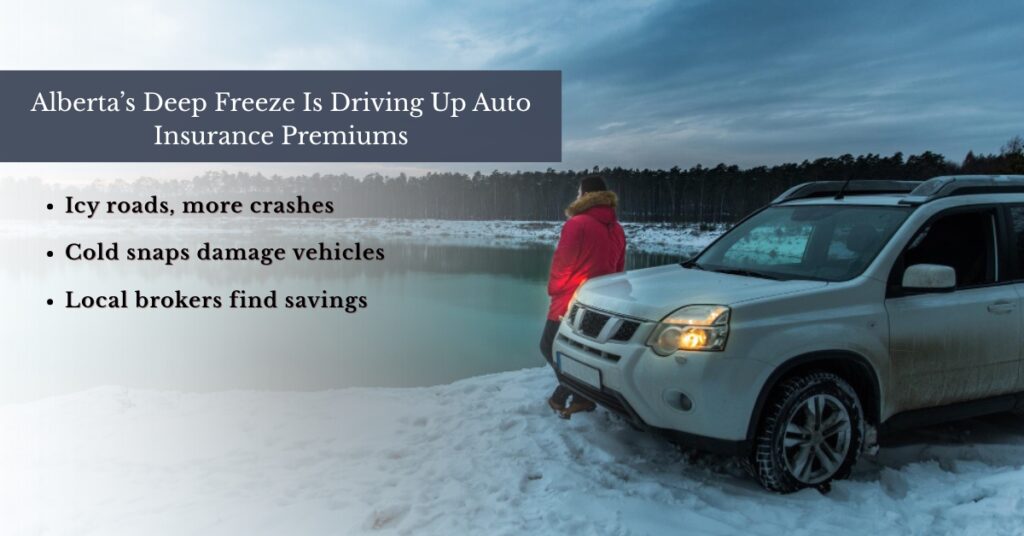
Table 2: Prevention Actions and Their Role
| Action | Prevents Claims? | Insurance Benefit | Note |
| Winter tires | Yes | Safety, discount varies | Confirm with broker |
| Higher deductible | N/A | Lower premium, higher cost | Match to savings buffer |
| Pipe insulation | Yes | Reduces claim risk | Not a guaranteed discount |
| Annual policy review | Indirect | Finds coverage gaps | Best before winter |
Practical Alberta Examples
Example 1 — Edmonton homeowner (hypothetical): This illustrates cold weather impact on insurance premiums at the household level. A homeowner leaves for a three-week winter vacation and turns the heat down too low. Pipes freeze and burst while they’re away. Home insurance may respond to sudden accidental damage, but insurers often expect heat to be maintained during absences — ask your broker what your policy requires.
Example 2 — Sherwood Park driver (hypothetical): Here, cold weather impact on insurance premiums plays out through claims history. A driver on worn all-season tires loses control on black ice and hits a guardrail. Collision coverage may apply, subject to the policy’s terms and deductible. Winter tires and reduced speed are practical ways to lower this risk.
Example 3 — Calgary homeowner (hypothetical): Severe weather like this is a major driver of cold weather impact on insurance premiums province-wide. A sudden hailstorm damages roof shingles and a parked vehicle. Comprehensive auto and home coverage may both respond, depending on policy terms, since hail is a well-documented Calgary-area risk.
These are hypothetical scenarios, not actual Reliant Insurance claims.
Winter Home & Auto Protection Checklists
A short seasonal checklist helps manage cold weather impact on insurance premiums at the source — fewer claims.
Home: Insulate exposed pipes • Protect exterior taps • Check your heating system • Keep indoor heat at a safe minimum, even when away • Inspect roof and gutters • Clear drainage routes • Check your sump pump • Test smoke/CO alarms • Review your coverage • Confirm an emergency contact
Auto: Install winter tires • Check tread and pressure • Test your battery • Inspect brakes • Check washer fluid and wipers • Check all lights • Carry an emergency kit • Review comprehensive/collision coverage • Confirm roadside assistance
How Can Alberta Homeowners and Drivers Reduce Winter Insurance Risks?
Reducing risk differs from guaranteeing a lower premium, but the two are related — cold weather impact on insurance premiums hits hardest where claims cluster, so a cleaner history supports steadier renewals.
Own an older home? Prioritize plumbing and heating inspections. Drive regularly through Edmonton or Calgary winters? Review your comprehensive and collision coverage against the vehicle’s value. Leaving your property vacant? Confirm your insurer’s vacancy requirements. Own an older, low-value vehicle? Compare optional coverage cost against what it’s actually worth.
Common Mistakes to Avoid
These habits tend to make cold weather impact on insurance premiums worse than it needs to be:
- Assuming every winter-related loss is automatically covered
- Ignoring frozen-pipe prevention until a claim happens
- Leaving a home vacant without checking policy conditions
- Driving all winter on worn tires
- Choosing insurance based only on premium price
- Skipping a coverage review after moving or buying a new vehicle
Frequently Asked Questions
1. Does cold weather increase insurance premiums in Alberta?
Indirectly, yes. cold weather impact on insurance premiums works through claims experience — when winter claims rise across a region, insurers may adjust pricing at renewal.
2. Why does winter weather affect home insurance?
Cold weather impact on insurance premiums for homeowners mainly comes from frozen-pipe bursts, ice damming, and related water damage. More claims of this kind across Alberta can influence how insurers price home coverage over time.
3. Does home insurance cover frozen pipes?
It can, if the damage is sudden and accidental. Gradual leaks or known unrepaired plumbing issues are common exclusions, so check your policy wording or ask your broker.
4. What happens if frozen pipes cause water damage?
If covered, your policy may pay for repairs and damaged property, subject to your deductible and exclusions. Report damage promptly and document it, since delays can complicate a claim.
5. Does winter driving affect auto insurance rates?
Winter driving itself doesn’t set your rate, but at-fault collisions on icy roads can affect your claims history — a factor insurers weigh at renewal.
6. Does comprehensive insurance cover winter weather damage?
Often, yes, which is part of how cold weather impact on insurance premiums connects to comprehensive coverage. It typically applies to non-collision events like hail and falling branches, subject to your policy’s terms.
7. Does collision insurance cover icy-road accidents?
Yes, collision coverage generally applies to vehicle damage from an accident, including one caused by icy roads, regardless of fault. Your deductible and policy terms determine your out-of-pocket cost.
8. Can winter tires lower Alberta insurance premiums?
Winter tires improve traction and can reduce collision risk, but whether that translates into a specific discount depends on your insurer. Ask your broker whether your policy offers one.
9. How can I reduce winter-related insurance risks?
Winterize your plumbing and heating, install winter tires, drive cautiously in icy conditions, and review your coverage annually — addressing cold weather impact on insurance premiums at the source.
10. Should I review my insurance before Alberta winter?
Yes, an annual review helps catch coverage gaps, outdated vehicle values, or vacancy conditions you may not have considered — worthwhile whether or not last year included a claim.
Talk to a Broker Before Winter Arrives
Understanding cold weather impact on insurance premiums helps you make better coverage decisions, not just react to a renewal notice. Reviewing your policies before the cold sets in gives you time to close gaps rather than discover them during a claim.
Reliant Insurance helps homeowners and drivers across Edmonton, Sherwood Park, Calgary, Red Deer, Leduc, St. Albert, Fort Saskatchewan, Spruce Grove, Grande Prairie, and Airdrie review their coverage and compare options ahead of winter. Request a personalized insurance review with a licensed broker.
📞 1-833-463-2115 | 🌐 ReliantInsurance.ca
About the Author
Steven
President & CEO | Reliant Insurance Group & Farnese Insurance Brokers
Steven is the President and CEO of Reliant Insurance Group and Farnese Insurance Brokers, bringing more than 13 years of experience across the Canadian insurance and real estate industries.
He holds a Bachelor of Commerce in Entrepreneurship from the University of Alberta and has built his career on making auto insurance more accessible, affordable, and easy to understand for everyday drivers.
Steven leads a team of licensed brokers who help Alberta homeowners and drivers prepare for winter risk, from frozen pipes and ice damming to icy-road collisions, by reviewing coverage before the cold season hits. His team works with families and drivers across Edmonton, Sherwood Park, Calgary, and the surrounding region to close coverage gaps early and build protection that holds up through freeze-thaw cycles and severe winter weather.
Comments are closed.