Comprehensive vs Collision Coverage: Which Auto Insurance Do Alberta Drivers Really Need?

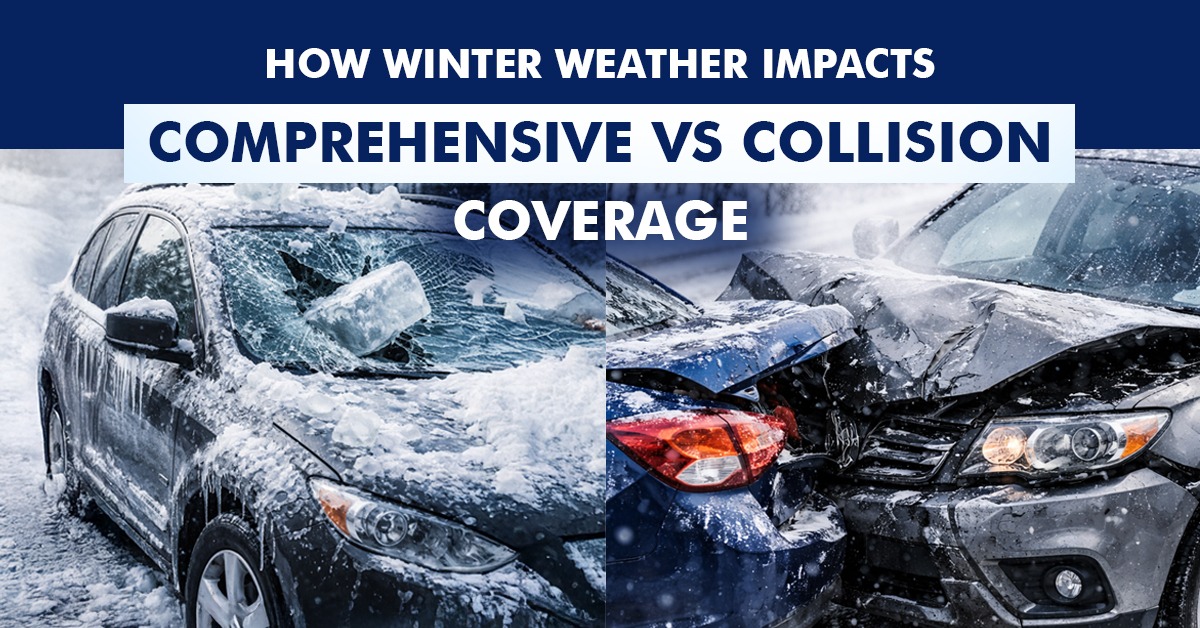
Comprehensive vs collision coverage are the two main types of optional vehicle damage protection in Alberta. Collision coverage pays for damage when your vehicle hits another car or object, including icy-road crashes. Comprehensive coverage handles non-collision risks like hail, theft, wildlife strikes, and cracked windshields. Alberta’s harsh winters, hailstorms, and rising theft rates mean most Edmonton, Calgary, and Sherwood Park drivers benefit from carrying both coverages together.


What is collision coverage?

Collision coverage pays for damage to your vehicle when it hits another car, object, or rolls over — regardless of fault. It’s the coverage that applies to icy-road crashes, common across Alberta winters.

What is comprehensive coverage?

Comprehensive coverage protects against non-collision damage, including hail, theft, vandalism, fire, flooding, and animal strikes. It applies even when your vehicle is parked and undriven.

Which coverage pays for hail damage?

Only comprehensive coverage pays for hail damage. Collision coverage never applies to hailstorms, even though Alberta — particularly Calgary — sees some of Canada’s costliest hail claims each year.

Is collision insurance mandatory in Alberta?

Collision insurance isn’t legally required in Alberta, but lenders and leasing companies almost always require it for financed or leased vehicles until the loan is paid off.

Should Alberta drivers carry both coverages?

Most Alberta drivers benefit from carrying both, especially those with financed vehicles, newer cars, or regular winter driving. Together, they create “full coverage” protection against nearly every common risk.

Which coverage is better for older vehicles?

For vehicles worth under $3,000–$5,000, dropping collision (and sometimes comprehensive) can make sense, since premiums may exceed the potential payout. A broker can confirm this using your vehicle’s actual cash value.


Key Takeaways

  • Understanding comprehensive vs collision coverage starts with one rule: collision covers impact damage, while comprehensive covers everything else, from hail to theft.
  • Alberta’s weather — hail, black ice, and wildlife — is exactly why the comprehensive vs collision coverage distinction matters so much here.
  • Neither coverage is legally mandatory in Alberta, but lenders typically require both on financed vehicles.
  • Hail damage, theft, and animal strikes are only covered under comprehensive, never collision.
  • Older, low-value vehicles may not need full coverage; newer or financed vehicles almost always should carry both.
  • When comparing comprehensive vs collision coverage costs, deductible choice significantly affects your premium and your out-of-pocket cost per claim.
  • Bundling, winter tires, and telematics programs can meaningfully lower Alberta auto insurance costs.
  • A licensed broker can help you weigh comprehensive vs collision coverage based on your vehicle’s value, location, and driving habits.


Introduction

Many Alberta drivers assume “full coverage” automatically protects them from everything — until a hailstorm, a deer strike, or an icy-road slide proves otherwise. Comprehensive vs collision coverage is one of the most misunderstood decisions in auto insurance, and getting it wrong can cost thousands of dollars.

The stakes are real. Alberta sees some of the country’s most destructive hailstorms, harsh winter driving conditions, and rising vehicle theft rates in cities like Edmonton and Calgary. Choosing the wrong mix of coverage can leave you paying out of pocket for damage you assumed was insured.

This guide breaks down exactly what each coverage protects, when you need one, the other, or both, and how Alberta’s climate and roads factor into that decision.


What Is Collision Coverage?

Collision coverage pays for damage to your vehicle whenever it’s involved in an impact. This applies whether you’re at fault or not, and it’s one of the most commonly used coverages on Alberta roads.

It typically applies when you:

  • Hit another vehicle
  • Strike a guardrail, wall, or stationary object
  • Slide on black ice and crash into something
  • Roll your vehicle

Example: An Edmonton driver hits black ice on the Whitemud Drive and slides into a guardrail. Collision coverage pays for the repair, minus the deductible — comprehensive coverage would not apply here.

Expert Tip: If you finance or lease your vehicle, your lender almost always requires collision coverage until the loan is fully paid off.


What Does Comprehensive Coverage Include?

Comprehensive coverage is often called “all-risk” or “non-collision” protection. It covers a broad range of damage that has nothing to do with a crash.

Comprehensive typically covers:

  • Hail damage — one of Alberta’s most frequent insurance claims
  • Theft and attempted theft
  • Vandalism and broken glass
  • Falling branches or debris
  • Wildlife and animal strikes
  • Fire and flood damage

Example: A Calgary hailstorm dents the hood and cracks the windshield of a parked SUV. Only comprehensive coverage applies, since no collision occurred.

Expert Tip: Comprehensive coverage still applies even if your car never leaves the driveway — hail, theft, and vandalism can happen while parked.


What Is the Difference Between Comprehensive and Collision Coverage?

The simplest way to remember it: collision covers impact, comprehensive covers everything else.

Table 1: Collision vs Comprehensive Coverage

Feature Collision Coverage Comprehensive Coverage
Covers crashes with another vehicle ✅ Yes ❌ No
Covers hail damage ❌ No ✅ Yes
Covers theft ❌ No ✅ Yes
Covers wildlife strikes ❌ No ✅ Yes
Covers fire or flood ❌ No ✅ Yes
Applies while parked ❌ No ✅ Yes
Common lender requirement Often Sometimes

Table 2: Coverage by Claim Scenario

Scenario Coverage That Applies
Sliding into a guardrail on black ice Collision
Hailstorm damages a parked vehicle Comprehensive
Hitting a deer on a rural highway Comprehensive
Vehicle stolen from a parking lot Comprehensive
Windshield cracked by highway gravel Comprehensive
Rear-ending another vehicle Collision


Car Insurance in winter

Which Coverage Pays for Alberta Hail Damage?

When it comes to comprehensive vs collision coverage, only comprehensive pays for hail damage. This matters enormously in Alberta, where hailstorms regularly rank among the country’s most expensive insurance events.

Calgary in particular sits within “Hail Alley,” and severe storms have caused billions of dollars in insured damage in recent years. The August 2024 Calgary hailstorm alone caused over $3.2 billion in insured losses, making it the costliest hailstorm in Canadian history, with vehicle damage accounting for a large share of claims. This is exactly the kind of scenario where the comprehensive vs collision coverage difference has real financial consequences — drivers with collision-only policies receive nothing for hail claims, since the damage simply isn’t covered under that coverage type.

Expert Tip: If you park outdoors in Calgary, Red Deer, or Leduc during storm season, understanding comprehensive vs collision coverage helps you see why comprehensive is one of the highest-value additions to your policy.

Does Collision Insurance Cover Wildlife Accidents?

No. Wildlife and animal strikes fall under comprehensive coverage, not collision, even though the damage results from an impact. This is one of the trickiest parts of comprehensive vs collision coverage to understand, since the terms sound like they should apply differently.

Example: A Sherwood Park commuter hits a deer on Highway 21 at dusk. Even though the vehicle struck an animal, comprehensive coverage — not collision — pays the claim.

This is one of the most common points of confusion for Alberta drivers when weighing comprehensive vs collision coverage, since animal strikes feel like collisions but are classified as comprehensive claims industry-wide. It’s a good reminder that understanding comprehensive vs collision coverage takes more than just going by gut feeling.

Do You Need Both Coverages?

For most Alberta drivers, the comprehensive vs collision coverage question isn’t really an either/or decision — the answer is yes to both. Together, collision and comprehensive create what’s commonly called “full coverage,” protecting against nearly every realistic risk on Alberta roads. Choosing between comprehensive vs collision coverage on its own often leaves gaps that a combined policy avoids.

Table 3: Older Car vs New Vehicle

Vehicle Situation Recommended Coverage
Newer vehicle (under 5 years) Both collision and comprehensive
Financed or leased vehicle Both, usually lender-required
Vehicle worth $3,000–$10,000 Both, depending on risk tolerance
Vehicle worth under $3,000 Consider liability only
Rural driver, high wildlife risk Comprehensive strongly recommended
Urban driver, theft-prone area Comprehensive strongly recommended

How Much Do These Coverages Cost in Alberta?

Costs vary based on your vehicle’s value, age, driving record, location, and deductible amount. Edmonton and Calgary drivers often see higher premiums due to winter severity and elevated theft rates.

Coverage Type Typical Annual Cost (Alberta)
Liability only $800–$1,200
Liability + Collision $1,400–$2,200
Liability + Comprehensive $1,200–$2,000
Full coverage (all three) $1,700–$3,000

Expert Tip: Raising your deductible from $500 to $1,000 can meaningfully lower your premium — just make sure you can comfortably cover that amount if you need to file a claim.

Ready to see your own numbers? Request a personalized quote and compare rates across Alberta’s top insurers.


Which Coverage Is Best for Older Vehicles?

For vehicles worth less than $3,000–$5,000, collision coverage may cost more over time than it would ever pay out in a claim. In these cases, some Alberta drivers choose to drop collision while keeping comprehensive, since theft and hail can still affect an older car’s value.


Table 4: Coverage Recommendation by Driver Type

Driver Type Recommended Approach
New vehicle owner Full coverage (collision + comprehensive)
Financed/leased vehicle owner Full coverage, lender-required
Older vehicle, low value Liability only, or comprehensive only
Rural/wildlife-prone commuter Comprehensive is essential
Urban driver in Edmonton or Calgary Comprehensive for theft protection
Budget-conscious driver, newer car Higher deductible with full coverage

When Is Comprehensive Coverage Worth It?

In the comprehensive vs collision coverage decision, comprehensive earns its cost quickly in Alberta, where hail, theft, and wildlife strikes are common and expensive. It’s especially worth it if you:

  • Park outdoors in a hail-prone region like Calgary or Red Deer
  • Drive rural highways with regular wildlife activity
  • Live in an area with rising vehicle theft rates, such as parts of Edmonton
  • Own a vehicle valued above $10,000
  • Want protection against fire, flood, or vandalism


How Do You Decide Which Coverage You Need?

Working through comprehensive vs collision coverage doesn’t have to be complicated. Use this checklist to guide your decision:

  • Is your vehicle financed or leased? → Both coverages are likely required.
  • Is your vehicle newer than 5 years old? → Full coverage is usually worthwhile.
  • Do you park outdoors in a hail-prone area? → Comprehensive is strongly recommended.
  • Do you regularly drive rural highways at dawn or dusk? → Comprehensive protects against wildlife strikes.
  • Is your vehicle worth less than $3,000? → Consider liability only.
  • Do you have savings to cover a major repair out of pocket? → Collision-only may be sufficient.


When comprehensive is worth the extra premium: if you live near hail corridors, park outdoors, or drive in wildlife-heavy areas.

When collision may be sufficient: if your vehicle is older, low in value, and rarely driven in adverse weather.

When full coverage is the smarter choice: for financed, leased, or newer vehicles in almost any Alberta community.

Questions to ask your broker:

  • What’s my vehicle’s current actual cash value?
  • How much would my premium drop if I raised my deductible?
  • Does my lender require both coverages?
  • Am I eligible for winter tire or bundling discounts?

Common Mistakes Alberta Drivers Make

  • Assuming collision covers hail. It never does — only comprehensive applies.
  • Believing comprehensive covers at-fault crashes. Comprehensive excludes collision-type impacts entirely.
  • Choosing coverage based only on price. The cheapest policy can leave major gaps in protection.
  • Ignoring deductibles. A low premium with a very high deductible may cost more overall.
  • Not reviewing coverage after buying a new vehicle. Coverage needs change significantly with vehicle value.


How Can You Reduce Auto Insurance Costs?

  • Winter tire discount: Up to 5% off your premium for qualifying tires.
  • Bundling home and auto: Often saves 10–15% combined. Learn more about home insurance bundling options.
  • Higher deductible: Lowers your monthly premium in exchange for more out-of-pocket risk.
  • Telematics programs: Safe driving habits can save up to 25%.
  • Annual policy review: Renewal time is the best opportunity to renegotiate or compare rates.


Frequently Asked Questions

1. What is comprehensive coverage?

Comprehensive coverage protects against non-collision damage, including hail, theft, vandalism, fire, flood, and wildlife strikes. It applies even when your vehicle is parked, making it valuable for Alberta’s unpredictable weather.

2. What is collision coverage?

Collision coverage pays for damage when your vehicle hits another vehicle or object, or rolls over, regardless of fault. It’s essential for Alberta’s icy winter roads, where black-ice crashes are common.

3. Does collision insurance cover hail damage?

No. Hail damage is only covered under comprehensive insurance. Collision coverage strictly applies to impact-related damage, such as hitting another vehicle or object.

4. Does comprehensive insurance cover hitting a deer?

Yes. Wildlife strikes, including hitting a deer, are classified as comprehensive claims industry-wide, even though the incident involves an impact.

5. Is collision insurance mandatory in Alberta?

Collision insurance isn’t legally mandatory in Alberta. Only basic coverage — third-party liability and accident benefits — is required by law. Lenders financing or leasing your vehicle typically require collision and comprehensive until the loan is paid off.

6. Should financed vehicles have both coverages?

Yes. Most lenders require both collision and comprehensive coverage on financed or leased vehicles to protect their financial interest in the car. This is one of the clearest cases where the comprehensive vs collision coverage question has a straightforward answer: carry both.

7. Does comprehensive cover windshield damage?

Yes. Cracked or chipped windshields from highway gravel, debris, or hail are typically covered under comprehensive insurance, sometimes with a separate glass deductible.

8. Can I add collision coverage later?

Yes. Optional coverages like collision or comprehensive can usually be added mid-term, with changes prorated on your next billing cycle. If your needs around comprehensive vs collision coverage change after a new vehicle purchase, your broker can adjust your policy quickly.

9. How much does comprehensive coverage cost?

Comprehensive coverage in Alberta typically adds $400–$800 annually to a liability-only policy, depending on your vehicle’s value, location, and deductible. Comparing comprehensive vs collision coverage pricing side by side can help you decide where your premium dollars go furthest.

10. Which coverage is better for older cars?

For vehicles worth under $3,000–$5,000, collision coverage may not be cost-effective. Comprehensive coverage can still make sense to protect against theft and hail, so weighing comprehensive vs collision coverage by vehicle value is a smart first step.

11. What’s the difference between comprehensive and all-perils coverage?

All-perils combines collision and comprehensive into a single policy with one deductible. It’s broader than either coverage alone but usually costs more. A full list of mandatory and optional Alberta coverages is available through the Insurance Bureau of Canada.

12. Do I need comprehensive coverage if I park in a garage?

Garage parking reduces some risks like hail, but theft, vandalism, and fire remain possible. Many garage-parked vehicle owners still choose comprehensive for that added protection.

Related Topics


Get the Right Coverage for Your Alberta Vehicle

Choosing between comprehensive and collision coverage shouldn’t feel like guesswork. Every driver’s situation — vehicle value, location, and driving habits — calls for a slightly different mix of protection.

Reliant Insurance helps drivers across Edmonton, Sherwood Park, Calgary, Red Deer, Leduc, Spruce Grove, St. Albert, and Fort Saskatchewan compare coverage options from Alberta’s top insurers. Speak with a licensed broker to review your current policy and find coverage that genuinely fits your vehicle and budget.

📞 1-833-463-2115 | 🌐 ReliantInsurance.ca

S

About the Author

Steven

President & CEO | Reliant Insurance Group & Farnese Insurance Brokers


Steven is the President and CEO of Reliant Insurance Group and Farnese Insurance Brokers, bringing more than 13 years of experience across the Canadian insurance and real estate industries.

He holds a Bachelor of Commerce in Entrepreneurship from the University of Alberta and has built his career on making auto insurance more accessible, affordable, and easy to understand for everyday drivers.

Steven leads a team of licensed brokers who help Alberta drivers navigate decisions like comprehensive vs collision coverage every day — from explaining how hail, theft, and wildlife claims differ from icy-road crashes, to matching financed or leased vehicles with the right combination of protection for Edmonton, Calgary, and Sherwood Park’s unique driving conditions.

Comments are closed.