
Is Electric vs Gas Car Insurance Really More Expensive in Canada?
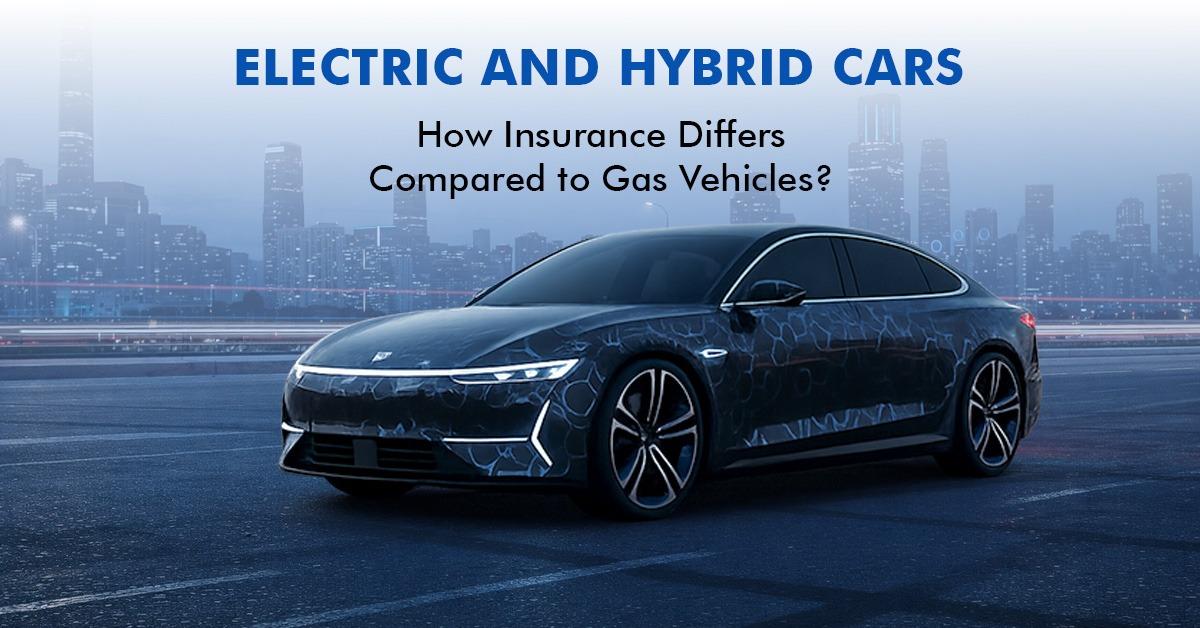
Electric vs gas car insurance pricing shows a real, measurable gap in Canada — EVs cost roughly 37% more to insure than gas vehicles, driven by battery repair costs, limited certified shops, and higher vehicle values. Hybrids typically fall between the two. Alberta EV owners see some of the widest gaps nationally, though discounts, deductible choices, and comparing quotes can help narrow the difference.
Is electric car insurance more expensive than gas car insurance?
Yes, on average. Recent Canadian data shows EVs cost about 37% more to insure than gas vehicles, largely due to battery repair costs and limited specialized shops.
Why does EV insurance cost more?
The electric vs gas car insurance gap comes mainly from expensive battery repairs, limited certified repair facilities, and higher EV purchase prices compared to comparable gas vehicles.
Are hybrid vehicles cheaper to insure than EVs?
Generally, yes. Hybrids sit between gas and electric vehicles in cost, since they carry a smaller battery and simpler components than a fully electric car.
What coverage does an electric vehicle need?
When comparing electric vs gas car insurance, EVs typically need the same core coverages — liability, collision, and comprehensive — but comprehensive and collision matter even more given battery-related repair costs.
How can Alberta EV owners reduce insurance costs?
Comparing quotes, choosing a comfortable deductible, and asking about available discounts are practical ways to manage electric vs gas car insurance costs in Alberta.
Does location affect EV insurance rates?
Yes. Regional factors, including repair infrastructure and claims data, influence pricing — Alberta has shown some of the largest EV-to-gas premium gaps in Canada.
Key Takeaways
- Electric vs gas car insurance pricing reflects real cost differences insurers face, not arbitrary pricing against EVs.
- Battery replacement, limited repair networks, and higher vehicle values are the three biggest drivers of the EV premium gap.
- Hybrids and plug-in hybrids typically cost more than gas vehicles but less than fully electric ones to insure.
- Comprehensive and collision coverage matter more for EVs, since battery damage often falls under these coverages.
- Comparing quotes across multiple insurers is one of the most reliable ways to manage cost, regardless of vehicle type.
Why Does EV Insurance Cost More?
The gap in electric vs gas car insurance comes down to repair economics, not the vehicles’ safety records.
Do EV Battery Costs Affect Insurance?
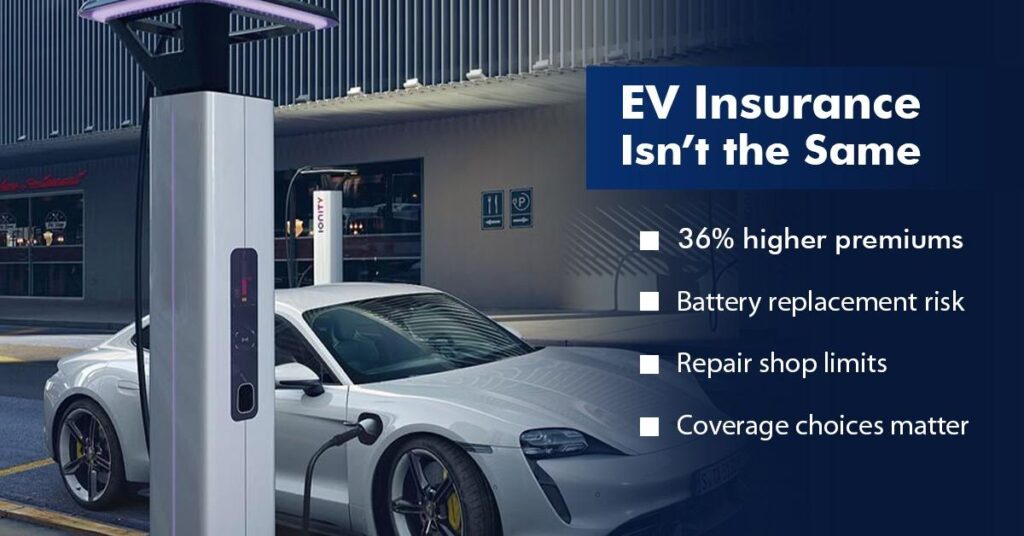
Yes, significantly, and this is central to the electric vs gas car insurance gap. High-voltage battery packs are one of an EV’s most expensive components, and even moderate collision damage can affect the battery module.
Are EV Repairs More Expensive?
Often, yes. Certified EV repair shops are still less common than traditional auto body shops, and many EV parts require manufacturer-specific training or OEM sourcing rather than aftermarket alternatives. This gap matters more as EV adoption grows faster than repair infrastructure, meaning fewer repair options can lead to slower, costlier claims.
Does Vehicle Value Affect Premiums?
It does, and this is a core part of the electric vs gas car insurance equation. Insurance pricing partly reflects what a vehicle is worth, and EVs generally carry a higher purchase price than a comparable gas model. A higher insured value typically means a higher premium.
Table 1: Vehicle Type Insurance Considerations
| Vehicle Type | Typical Insurance Considerations | Repair Complexity | Battery-Related Exposure |
| Gas vehicle | Established repair networks, lower parts cost | Lower | None |
| Standard hybrid | Smaller battery, moderate complexity | Moderate | Limited |
| Plug-in hybrid (PHEV) | Larger battery pack, dual systems | Higher | Moderate |
| Fully electric (EV) | High-voltage battery, specialized parts | Highest | Significant |
Are Hybrid Vehicles Cheaper to Insure Than EVs?
Generally, yes. Hybrids sit in the middle of the electric vs gas car insurance spectrum, combining a smaller battery with a conventional engine, which limits battery-related exposure compared to a fully electric vehicle. Plug-in hybrids, with larger battery packs, cost more than standard hybrids but typically less than a comparable EV.
What Insurance Coverage Does an EV Need in Alberta?
Part of understanding electric vs gas car insurance is knowing EVs don’t require a separate insurance product by law — but standard coverage should be reviewed with EV-specific risks in mind.
Table 2: Coverage Considerations for EV Owners
| Coverage | Why It Matters for EV Owners | Alberta-Specific Consideration |
| Third-Party Liability | Legally required in Alberta | Consider limits that reflect vehicle value |
| Collision | Covers crash damage, including battery-related repairs | Especially relevant given Alberta winter road conditions |
| Comprehensive | Covers theft, glass, and non-collision damage | Alberta’s hail and wildlife risks make this coverage worth reviewing |
| Roadside Assistance | Standard tow trucks may not safely handle EV recovery | Ask whether your plan includes flatbed towing |
| Charger Coverage | Optional add-on for home charging equipment | Relevant for homeowners with a home EV charger |
Roadside assistance deserves attention: EVs generally need flatbed towing rather than a standard tow, since towing on wheels can damage the drivetrain.
How Much Does EV Insurance Cost in Edmonton and Sherwood Park?
Alberta has shown some of the widest gaps in electric vs gas car insurance pricing nationally, with recent industry data putting average EV and gas premiums both above the national average. Winter driving conditions and Alberta’s mix of urban and rural driving factor into this.
Edmonton drivers dealing with winter commutes and stop-and-go traffic face different risk factors than Sherwood Park commuters covering longer suburban distances. Both contribute to how an individual Alberta car insurance quote is calculated.
What Factors Affect Your EV Insurance Premium?
Beyond vehicle type, several personal factors shape your actual rate: driving record and claims history, annual mileage, deductible amount, specific vehicle model, where you park overnight, and your chosen coverage limits.
How Can You Lower EV Insurance Costs?
A few practical strategies can help manage electric vs gas car insurance costs, though results depend on your insurer and eligibility.
- Compare quotes. Not all insurers price EV risk the same way, so comparing providers is one of the most reliable ways to find competitive pricing.
- Ask about available discounts. Some insurers offer green vehicle discounts for EVs and hybrids, though availability varies.
- Consider usage-based insurance. Telematics programs that track driving habits may lower premiums for safe drivers.
- Bundle policies where it makes sense. Pairing auto and home insurance with the same provider can sometimes reduce combined cost.
- Choose your deductible carefully. A higher deductible generally lowers your premium, provided you can cover it if you need to file a claim.
Which Vehicle Is Better for Your Insurance Budget?
Deciding between vehicle types based on electric vs gas car insurance alone can be misleading, since the cheapest vehicle to insure isn’t automatically the cheapest vehicle to own.
Consider a gas vehicle if minimizing insurance cost is your top priority and you’re comfortable with higher fuel and maintenance expenses over time.
Consider a standard hybrid if you want lower running costs without the full premium jump of an EV or PHEV.
Consider a plug-in hybrid if you want some electric-only driving range but aren’t ready for the insurance considerations of a fully electric vehicle.
Consider an EV if lower fuel and maintenance costs matter more to you than the higher insurance premium, and you’re comfortable planning around battery-related coverage and repair logistics.
Practical Example — Edmonton Driver
An Edmonton driver comparing electric vs gas car insurance for a gas sedan versus a comparable EV finds a noticeably higher quote for the electric model. Driving record, mileage, and deductible all affect the number, but the EV’s higher price and battery repair costs are the main reasons for the gap. This is illustrative only.
Practical Example — Sherwood Park Driver
A Sherwood Park driver considering a plug-in hybrid instead of a full EV finds the quote lands between their current gas vehicle and a comparable EV. Their longer commute and clean claims history factor into the final premium. This is illustrative only.
10 Frequently Asked Questions About Electric vs Gas Car Insurance
1. Why is EV insurance more expensive?
EV insurance costs more mainly due to expensive battery repairs, limited certified repair shops, and higher vehicle purchase prices, which insurers price into EV premiums compared to gas vehicles.
2. Are hybrids cheaper to insure than EVs?
Generally, yes. Hybrids carry smaller batteries and less complex systems than EVs, which typically places their insurance cost between gas vehicles and fully electric ones.
3. Does an EV need special insurance?
Not by law, but understanding electric vs gas car insurance means reviewing standard policies for EV-specific gaps, such as flatbed-only towing and battery-related repair coverage under comprehensive and collision.
4. Is battery damage covered by insurance?
Battery damage from a covered event, like a collision, is typically addressed under collision or comprehensive coverage, subject to your policy’s terms. Gradual battery degradation from normal use generally isn’t covered.
5. Does winter weather affect EV insurance?
Winter conditions can raise collision risk for any vehicle, including EVs, through icy roads and reduced visibility — one reason Alberta drivers should review collision coverage carefully.
6. Can EV owners get discounts?
Some insurers offer green vehicle discounts for EVs and hybrids, though availability and amount vary by provider — worth asking directly when comparing quotes.
7. Does location affect EV insurance?
Yes. Repair infrastructure, claims data, and driving conditions factor into pricing, and Alberta has shown some of the wider EV-to-gas premium gaps nationally.
8. How can EV owners lower premiums?
Comparing quotes, choosing an appropriate deductible, asking about discounts, and maintaining a clean driving record are practical ways to manage costs.
9. Is comprehensive coverage important for EVs?
Yes, and it’s a key part of the electric vs gas car insurance picture. Comprehensive coverage addresses non-collision risks like theft and glass damage, which carry higher stakes given an EV’s overall repair costs.
10. Is EV insurance more expensive in Alberta specifically?
Recent industry data on electric vs gas car insurance suggests Alberta has shown one of the wider gaps between EV and gas insurance costs in Canada.
Compare Electric vs Gas Car Insurance with Reliant Insurance
Understanding what drives the electric vs gas car insurance gap helps you make a more informed decision, whether you’re comparing a vehicle purchase or reviewing your current policy. Comprehensive and collision coverage deserve particular attention for EV owners, given how battery repairs typically get classified.
Reliant Insurance compares quotes across multiple Canadian insurers for Edmonton and Sherwood Park drivers. Speak with a broker about your coverage to review what fits your vehicle. If you ever need to file a claim on a battery-related repair, our claims guidance walks through what to expect.
📞 1-833-463-2115 | 🌐 ReliantInsurance.ca
About the Author
Steven
President & CEO | Reliant Insurance Group & Farnese Insurance Brokers
Steven is the President and CEO of Reliant Insurance Group and Farnese Insurance Brokers, bringing more than 13 years of experience across the Canadian insurance and real estate industries.
He holds a Bachelor of Commerce in Entrepreneurship from the University of Alberta and has built his career on making auto insurance more accessible, affordable, and easy to understand for everyday drivers.
Steven leads a team of licensed brokers who help Alberta drivers navigate electric vs gas car insurance decisions, comparing quotes across multiple Canadian insurers to find coverage that accounts for EV battery protection, flatbed towing needs, and the real cost differences between electric and gas vehicles.
Comments are closed.