How to Change Coolant in Your Car: A 7-Step DIY Guide for Edmonton Drivers
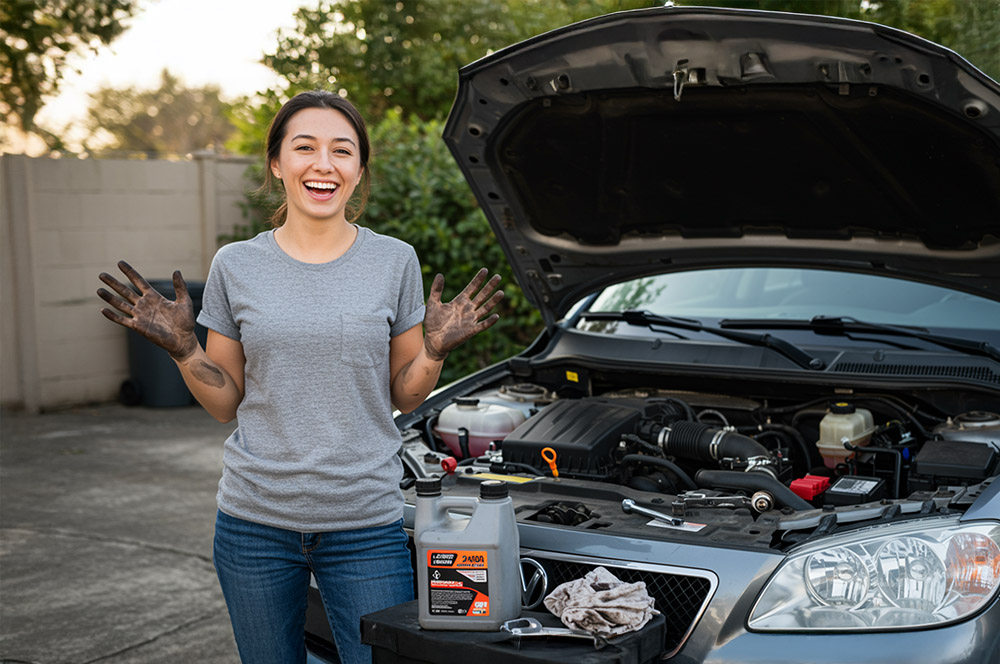
Summary: Coolant in car systems plays a vital role in keeping your engine running safely by preventing overheating in summer and freezing during Edmonton’s harsh winters. Coolant should be changed according to your owner’s manual or whenever it appears dirty, discolored, or has a sweet smell. This guide explains a simple 7-step DIY coolant change, the tools you’ll need, important safety precautions, and proper coolant disposal. While replacing the coolant in your car won’t directly reduce your auto insurance premium, it helps prevent costly engine damage and breakdowns that comprehensive coverage from Reliant Insurance may not cover. Get a free auto insurance quote from Reliant Insurance Brokers to protect your vehicle beyond routine maintenance.
What Is Car Coolant and Why Does It Matter?
Coolant (a mix of antifreeze and water) circulates through your engine to do two critical jobs: prevent overheating in summer heat and stop engine components from freezing solid in cold weather — a real risk during Edmonton and Sherwood Park winters. Old, contaminated coolant loses its protective properties, increasing the risk of overheating, freezing, and expensive engine damage.
How Much Does It Cost to Change Coolant in a Car in Edmonton?
A DIY coolant change typically costs $20–$50 for coolant, distilled water, and basic supplies if you don’t already own the tools. A professional coolant flush at a shop generally runs $100–$200 in Edmonton, depending on your vehicle. Skipping this maintenance is where the real cost risk lies — neglected coolant-related engine damage can run into the hundreds or thousands of dollars, far exceeding the cost of routine care.
Source: Micromain
What Factors Affect When You Should Change Your Coolant?
- Manufacturer schedule: Check your owner’s manual — intervals vary by make, model, and coolant type (often every 2–5 years or by kilometers driven).
- Visual signs: Dirty, rusty coolant, or coolant with visible particles signals it’s time for a change.
- Color change: Coolant that looks “off” compared to its original color may be breaking down.
- Engine temperature: Running hotter than normal can indicate degraded coolant.
- Sweet smell: A sweet odor near your car often signals a coolant leak that needs immediate attention.
What You Need to Change Your Coolant
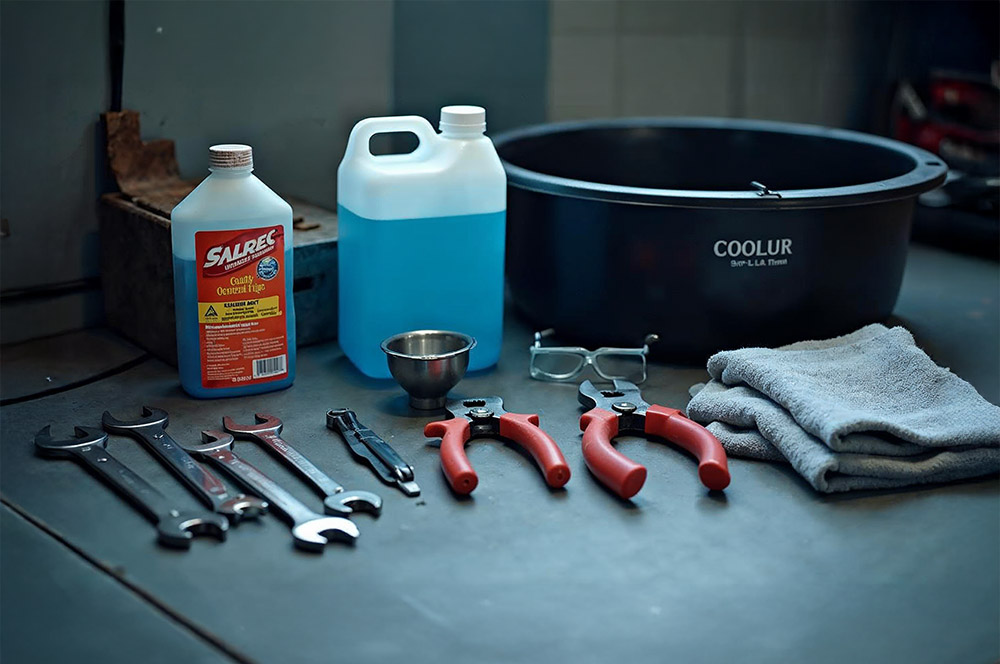
- New coolant (matched to your vehicle’s specifications)
- Distilled water (never tap water)
- A drain pan large enough for the old fluid
- Wrench or pliers
- Funnel
- Safety glasses and gloves
- Rags
- An empty, sealable container for the old coolant
7 Steps to Change Coolant in Your Car
- Let the engine cool completely. Hot coolant is dangerous — wait several hours after driving.
- Locate the drain. Find the plug under your radiator and position the drain pan beneath it.
- Drain the old coolant. Open the plug slowly and let the old coolant fully drain into the pan.
- Flush the system (optional but recommended). Refill with distilled water, run the engine warm with the heater on, let it cool, then drain again. Repeat if the water isn’t running clear.
- Add new coolant. Close the drain tightly, then use a funnel to fill the radiator and overflow tank to the “FULL” line.
- Bleed out air pockets. Leave the radiator cap off, start the engine, and let it warm with the heater on high. Top up coolant as the level drops and air bubbles escape.
- Drive and inspect. Secure the cap, take a short drive while watching the temperature gauge, then check coolant levels and inspect for leaks once the engine has cooled again.
How Can I Save Money on Car Maintenance and Insurance?
- Stick to the maintenance schedule to avoid costly repairs that no insurance policy covers.
- Dispose of old coolant properly — it’s hazardous waste; check Edmonton or Sherwood Park city sites for approved drop-off locations.
- Bundle your auto insurance with Reliant Insurance for multi-policy savings that offset unexpected costs.
- Keep maintenance records — a well-documented service history can support resale value and claims where relevant.
Frequently Asked Questions
Does changing the coolant affect my car insurance price?
No, changing your coolant doesn’t directly change your auto insurance premium. But regular maintenance prevents breakdowns from neglect, while insurance protects against separate risks like collisions and theft.
How often should I check my coolant level?
Check the overflow tank about once a month and before any long drive, always when the engine is cold and the car is parked on level ground.
What happens if I don’t change the coolant in my car?
Your engine risks overheating or freezing, internal components can rust, and repair costs can climb significantly higher than routine maintenance would have cost.
Should I flush the system or just top up with new coolant?
Flushing removes more old fluid and contaminants, giving new coolant a cleaner system to work in. It’s generally the better option when coolant looks visibly dirty.
Where do I dispose of old coolant in Edmonton or Sherwood Park?
Old coolant is hazardous waste and should never be poured out. Check your city’s website for approved hazardous waste drop-off locations.
Speak with a Local Reliant Insurance Broker
Take Care of Your Car — Let Reliant Insurance Handle the Risks You Can’t Prevent
Maintenance protects your engine. Insurance protects you from the risks maintenance can’t — crashes, theft, and weather damage. Reliant Insurance Brokers helps Edmonton and Sherwood Park drivers find the right coverage for a well-maintained vehicle.
Get a Free Car Insurance Quote: reliantinsurance.ca | 📞 1-833-463-2115
Comments are closed.