
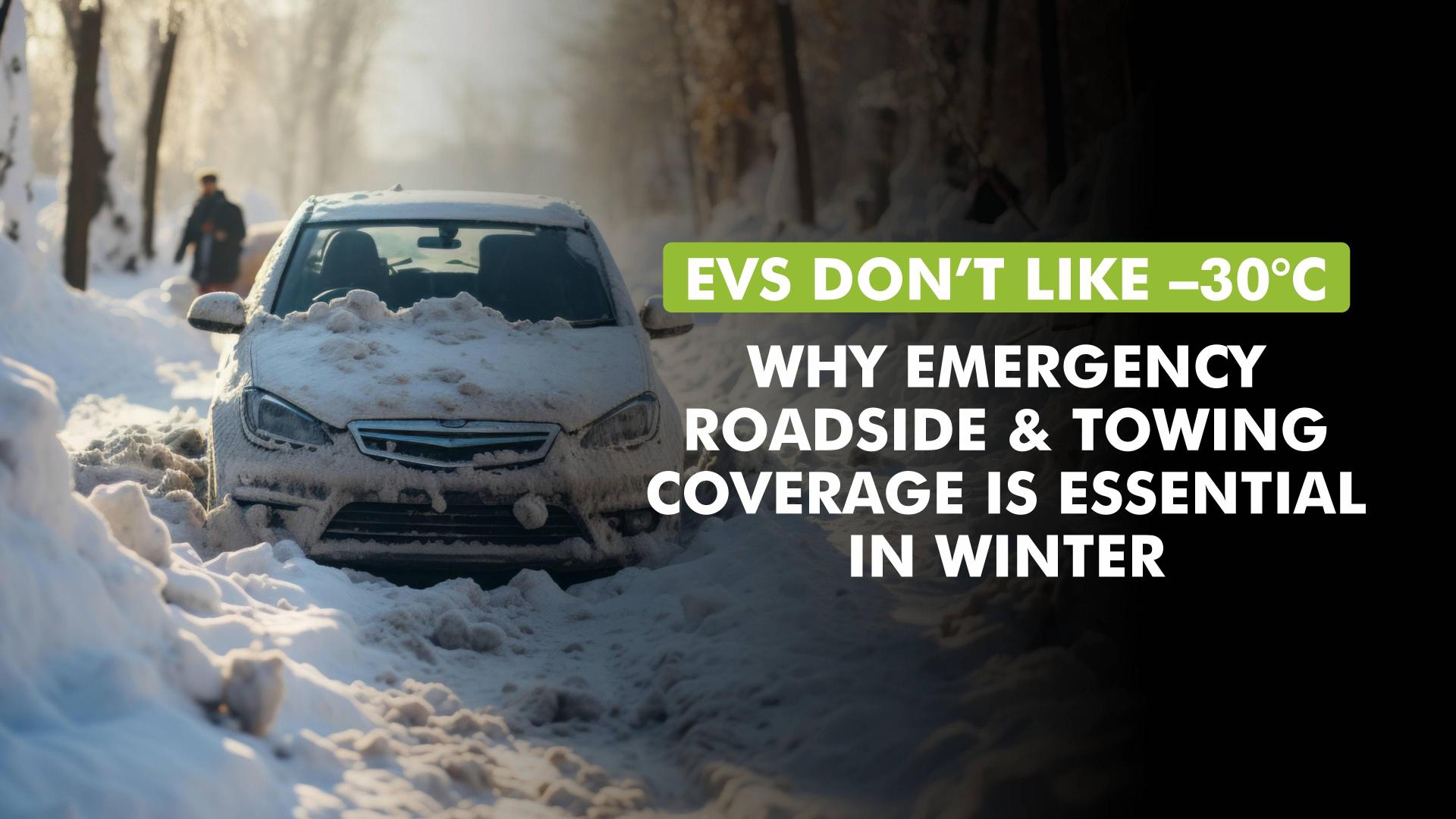
Electric Cars Don’t Like –30°C: Why Emergency Roadside & Towing Coverage Is Essential in Winter
Winter is Coming for Your Battery: Why Your Electric Car Needs a Safety Net
For drivers in Edmonton and Sherwood Park, winter is more than just a season. It is a true test of grit. While gas engines have their own cold-weather struggles, electric cars face a very specific set of hurdles when the temperature hits –30°C. If you have made the switch to a greener drive, you have likely seen how electric cars act differently in a Prairie deep freeze. From losing range while parked to frozen door handles, the Alberta winter is tough.
At Reliant Insurance Brokers, we believe that being ready is the best way to enjoy your ride. Knowing why emergency roadside & towing coverage is vital for electric cars in winter can save your day. It is the difference between a quick fix and being stuck on the side of a frozen highway.
The Cold Truth: How –30°C Impacts Electric Cars
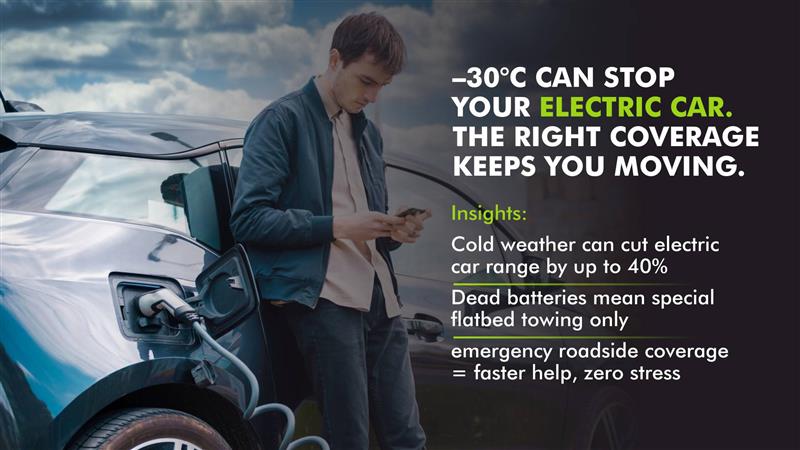
It is a well-known fact that electric cars use lithium-ion batteries. These batteries need chemical reactions to work. In extreme cold, those reactions slow down. According to data from the Canadian Automobile Association (CAA), electric cars can lose between 14% and 39% of their total range when it gets cold (Source: CAA Cold Weather EV Research).
In Alberta, we often see –30°C. At that point, the range loss feels even bigger. You also have to use the heater and the defroster. This makes your electric cars work twice as hard. This “range anxiety” is a real thing. It is why having EV roadside assistance in Alberta is so important. It isn’t just a “nice to have” feature; it is a safety tool.
The Reality of Range Loss in Edmonton
Imagine driving from Sherwood Park to West Edmonton Mall. On a nice July day, you barely use any battery. But in January? That same drive might take 15% of your charge just to keep the cabin warm. If you hit a traffic jam, your battery keeps draining while you sit still. This is where electric cars differ from gas cars. A gas car generates heat as a byproduct. An EV has to create heat from the battery itself.
Why Traditional Towing Just Doesn’t Cut It for EVs
If your battery dies or a computer error stops you in your tracks, you might call a random tow truck. But wait! Electric cars need special care. Most electric cars do not have a real “neutral” gear. The wheels are often tied directly to the motor.
If a truck tows an EV with the wheels on the ground, the spinning tires turn the motor. This sends power back into the system. This can cause a fire or ruin the drivetrain. This is why flatbed towing for EVs is the only way to go. When you have emergency roadside & towing coverage through Reliant Insurance, we make sure the help that arrives knows your car. We send experts who understand that electric cars belong on a flatbed, not a hook.
The “Bricking” Risk: What Happens at 0%?
In the insurance world, we talk a lot about “total loss.” For electric cars, a battery that hits 0% in –30°C is at risk of “bricking.” This means the battery becomes a heavy, useless brick. Lithium batteries hate being empty. They hate being frozen. Combine the two, and the chemistry inside can fail.
Having emergency towing for electric vehicles ensures that if you are low on power, you get to a charger fast. It is much cheaper to pay for a tow to a Supercharger than it is to replace a $20,000 battery pack. This is why EV towing coverage is the smartest investment an Alberta driver can make.
Reliant Insurance: Your Local Expert for EV Roadside Assistance
At Reliant Insurance, we live where you live. We know the Edmonton roads. We know how fast a sunny day turns into a blizzard. We know that electric car insurance in Edmonton needs to be more than just a piece of paper. It needs to be a promise.
We help our clients find the right EV roadside assistance in Alberta. We look at your daily commute. We look at where you charge. Then, we build a policy that fits. Whether you drive a Tesla, a Rivian, or a Chevy Bolt, we have you covered.
Quick Insights: EV Winter Survival Tips
- Plug In Every Night: Even a slow 110v outlet helps the battery stay warm.
- Use Seat Heaters: Heated seats use less power than the cabin blower.
- Pre-Condition: Set your car to be warm by 8:00 AM while it is still plugged in.
- Slow Down: High speeds drain batteries much faster in the cold.
- Watch Your Tires: Cold air makes tires go flat. Low tires kill your range.
The Hidden Benefits of Specialized EV Coverage
Many people think all insurance is the same. It isn’t. Standard policies might offer towing, but they might not specify flatbed towing for EVs. They might only tow you 5 kilometers. In Alberta, the next charger might be 50 kilometers away.
When you work with Reliant Insurance Brokers, we check the fine print. We ensure your emergency roadside & towing coverage includes long-distance towing to specialized repair shops or charging hubs. We want to make sure you aren’t left paying out of pocket for a long-haul tow.
Navigating the “Winter Tech” Gap
Electric cars are basically computers on wheels. Just like your phone slows down or dies in the cold, your car can have software glitches at –30°C. Sometimes the “start” button won’t engage. Sometimes the charging port door is frozen shut.
If you can’t open your charging port, you can’t drive. Our emergency roadside & towing coverage can help in these odd cases. Whether it’s a quick win with a portable heater or a tow to a warm garage, we help you get back on the road.
FAQs: Electric Cars and Alberta Winters
1. Can I jump-start my electric car’s 12V battery in –30°C?
Yes. Most electric cars have a small 12V battery for the computers and lights. If this battery dies, the big battery won’t “wake up.” You can jump it just like a gas car, but you must find the right terminals. Check your manual first!
2. Does my insurance cover me if I run out of battery?
It depends on your plan. Most emergency roadside & towing coverage will tow you to the nearest charging station. It is treated like running out of gas. At Reliant Insurance, we help you find plans that include this service.
3. Why do I need flatbed towing for EVs instead of a normal tow?
Normal towing can spin the electric motors. This creates heat and electricity that the car isn’t ready to handle while off. It can fry the electronics. Flatbed towing for EVs keeps all four wheels still and safe.
4. Will my EV battery be hurt forever by the cold?
No. The range comes back when the weather warms up. However, leaving an EV at 0% in a freeze can cause permanent damage. Always keep at least 20% charge during an Alberta winter.
5. How do I add EV towing coverage to my current policy?
It is easy! Just call Reliant Insurance Brokers. We can add an endorsement to your existing electric car insurance in Edmonton. It usually costs very little but saves you a lot.
The Reliability of Reliant: Why Local Matters
When you call a giant call center in another country, they don’t know what –30°C feels like. They don’t know where Sherwood Park is. But at Reliant Insurance, we do. We are your neighbors. We drive the same icy roads you do.
We specialize in electric car insurance in Edmonton because we see the future of driving. We want that future to be safe. By choosing a local broker, you get someone who fights for you when you need to make a claim. We make sure the “tedious” part of insurance is handled by us, so you can focus on driving.
Conclusion: Stay Charged and Protected with Reliant Insurance
The move to electric cars is a great choice. It is quiet, fast, and clean. But in Alberta, it requires a bit of extra thought. From the way batteries act in the cold to the need for flatbed towing for EVs, being smart is key.
Don’t let a cold snap ruin your week. Secure your emergency roadside & towing coverage today. Let the experts at Reliant Insurance give you the safety net you deserve. We are here to make sure that even at –30°C, you are never truly stuck.
Ready to upgrade your peace of mind? Visit Reliant Insurance today. Let’s make sure your electric cars are ready for anything an Alberta winter can bring.
About the Author
Steven
President & CEO | Reliant Insurance Group & Farnese Insurance Brokers
Steven is the President and CEO of Reliant Insurance Group and Farnese Insurance Brokers, bringing more than 13 years of experience across the Canadian insurance and real estate industries.
He holds a Bachelor of Commerce in Entrepreneurship from the University of Alberta and has built his career on making auto insurance more accessible, affordable, and easy to understand for everyday drivers.
Steven leads a team of licensed brokers who help Alberta EV owners navigate the unique challenges of electric cars in extreme cold — from securing battery protection and flatbed towing coverage to finding the right insurance for drivers across Edmonton, Calgary, and Sherwood Park facing -30°C winters.
Comments are closed.